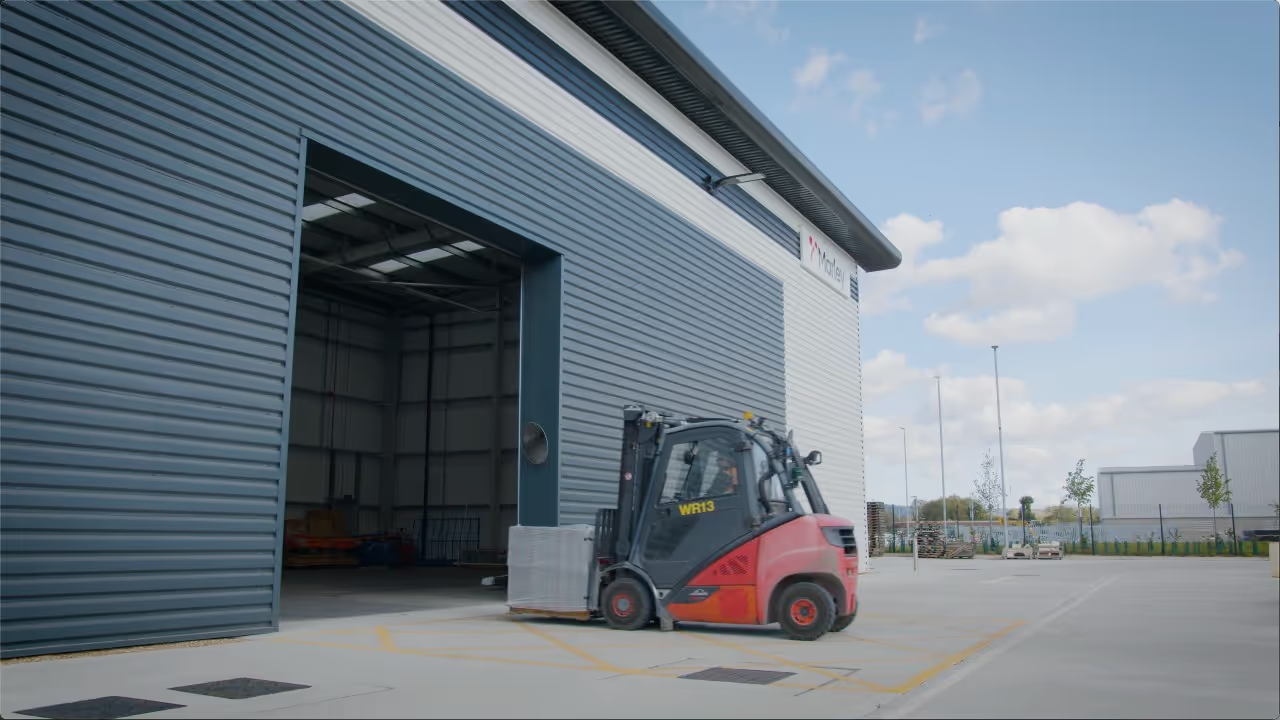
Synonymous with Lenham
Marley built something enduring on this ground, a place where industry took root and grew into something substantial. What began as vision became brick and steel, then evolved into the thriving space it is today.
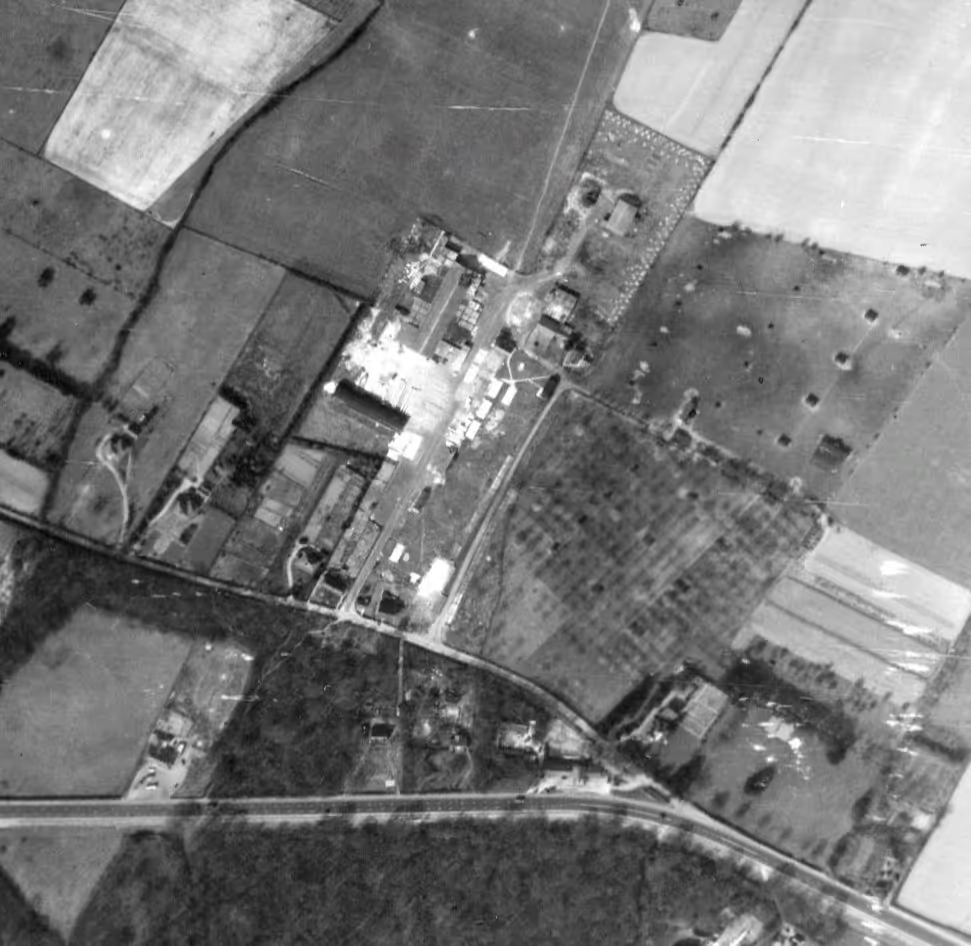
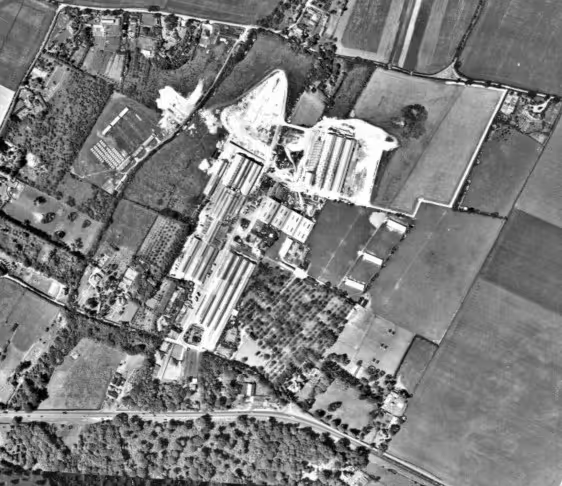
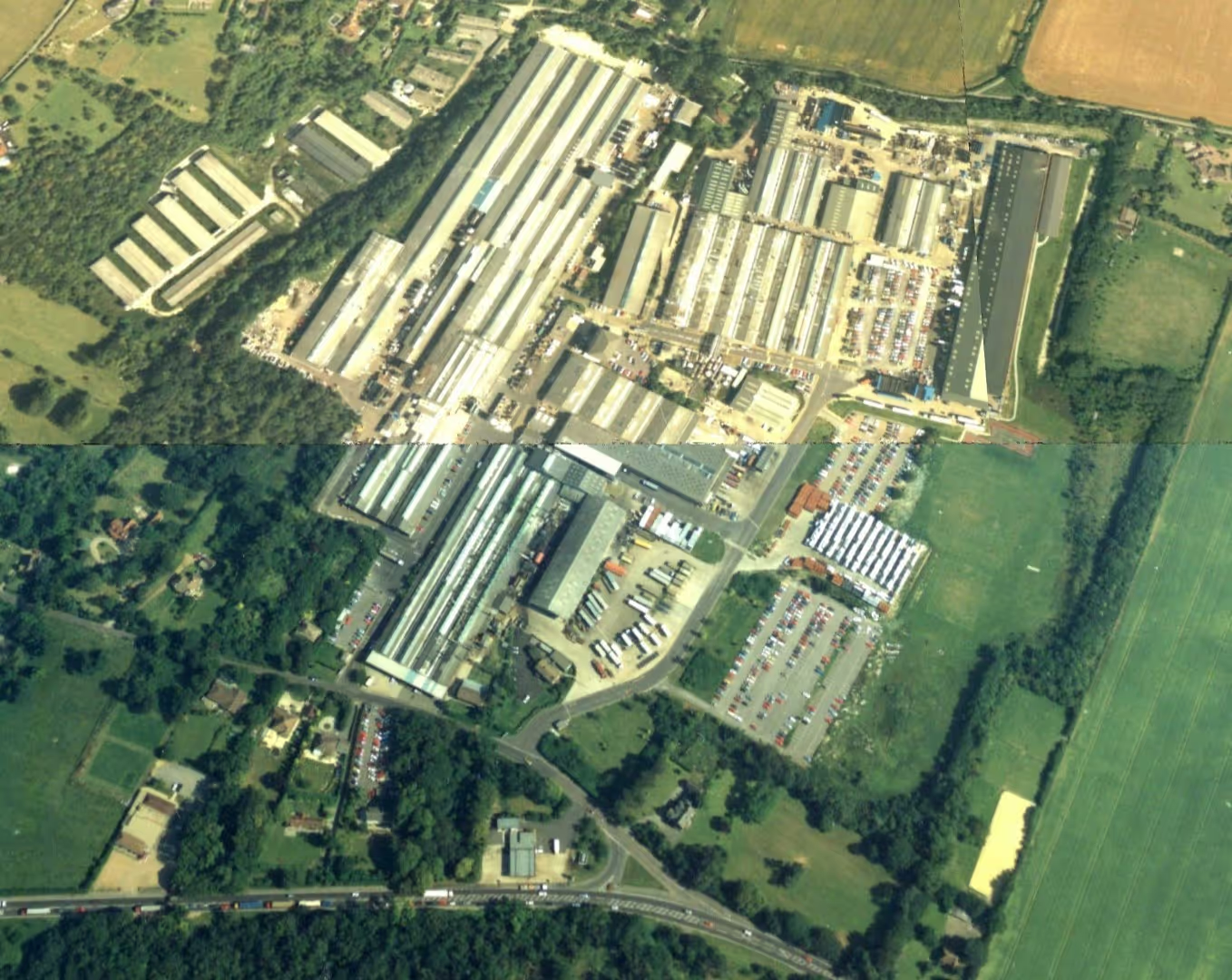
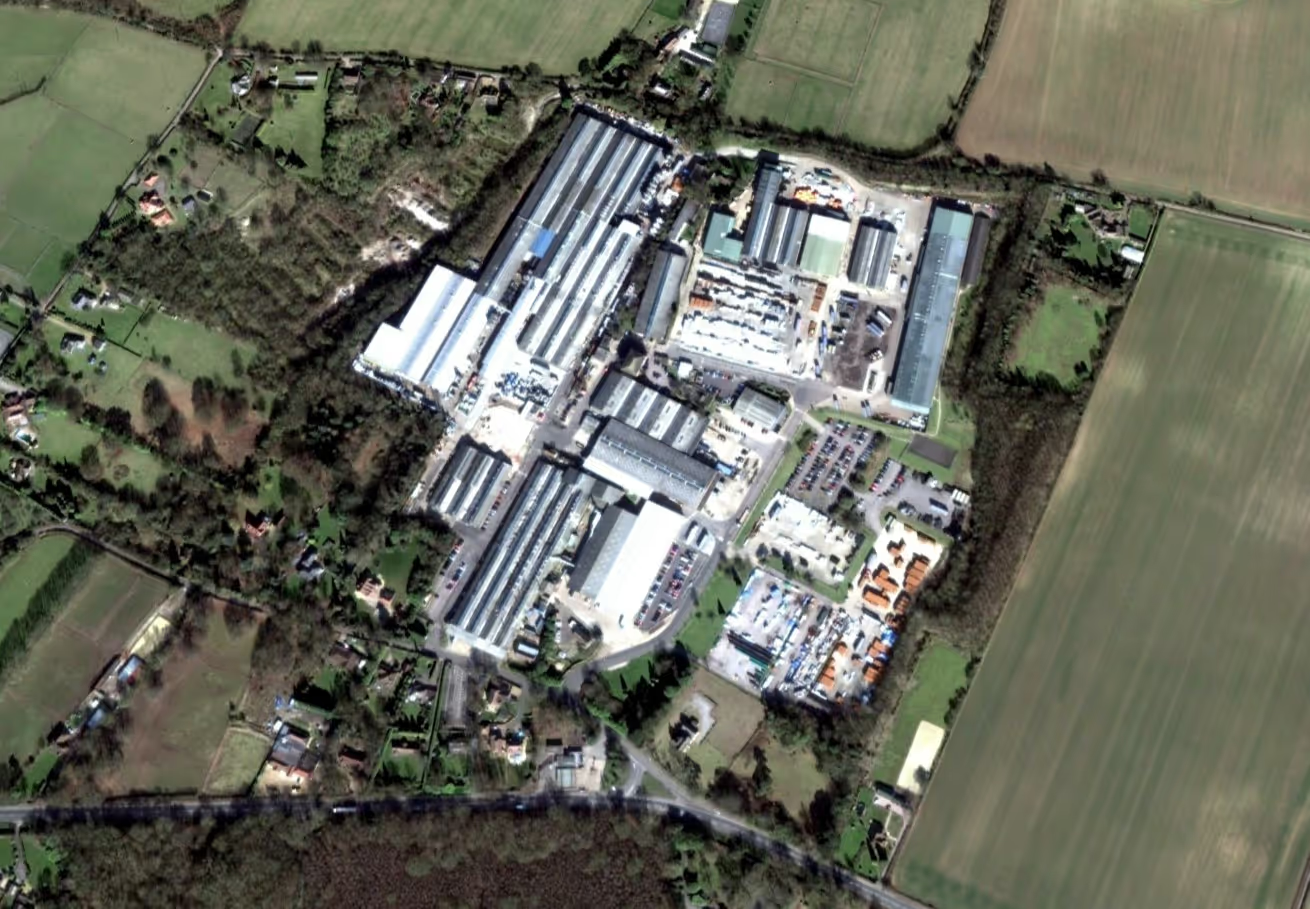
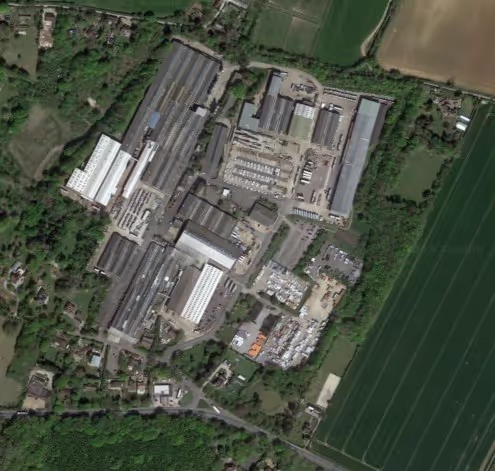
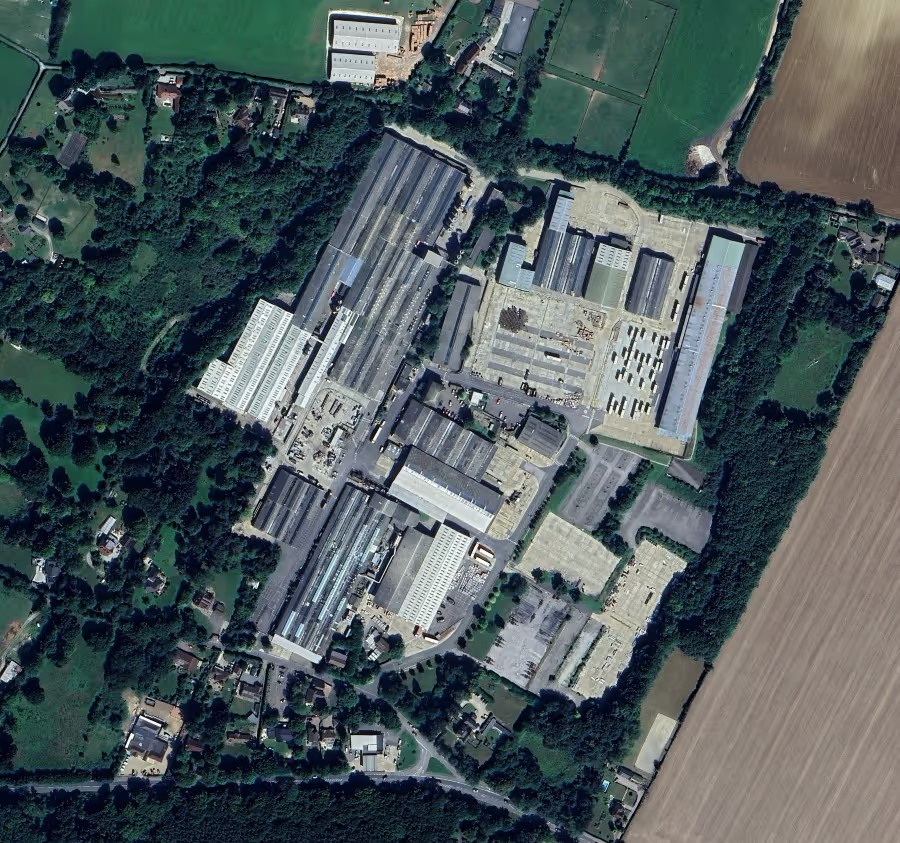
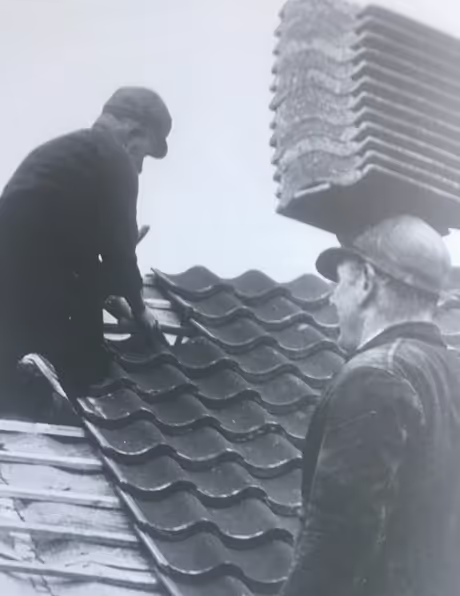
What began as a modest family enterprise quickly grew into one of Britain’s best-known roofing and building products businesses. It played a pivotal part in the development of the WWII Mulberry Harbour D-Day project, and introduced machine-pressed concrete tiles to meet post-war housing demand and helping to rebuild London.
The early days

The business diversifies
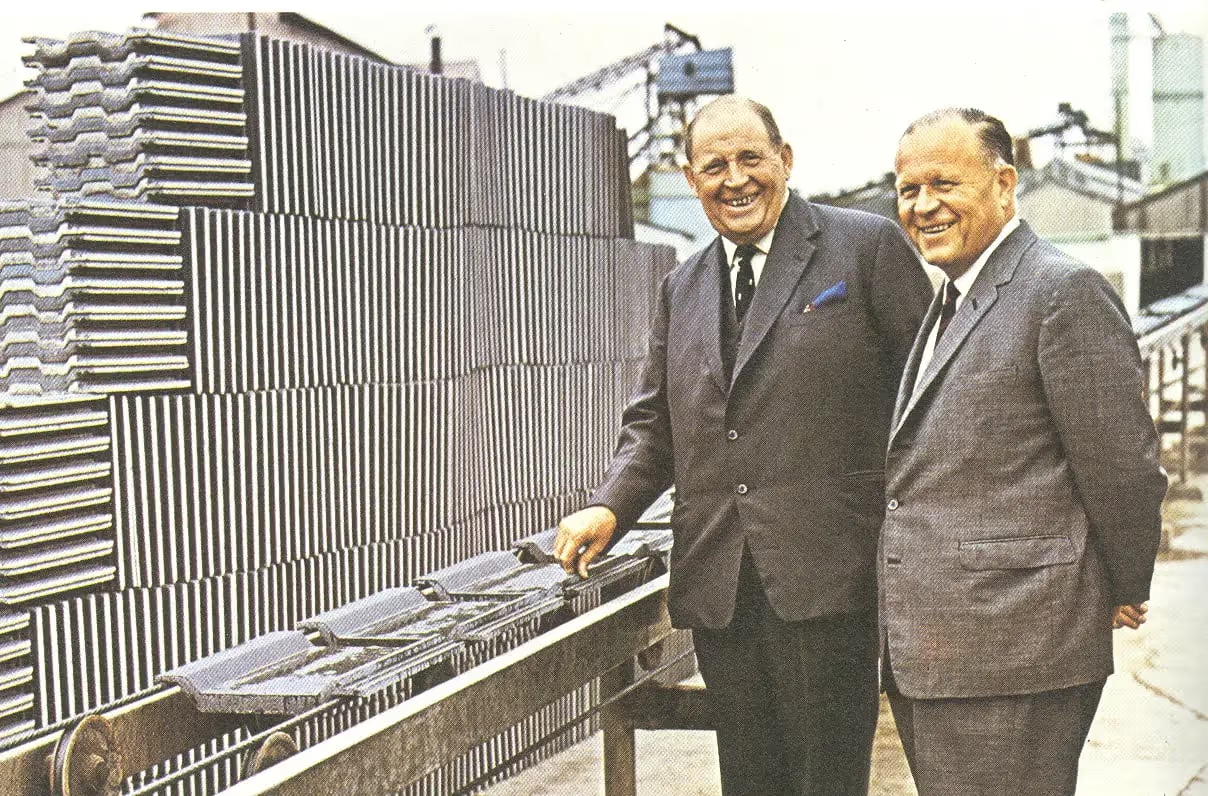
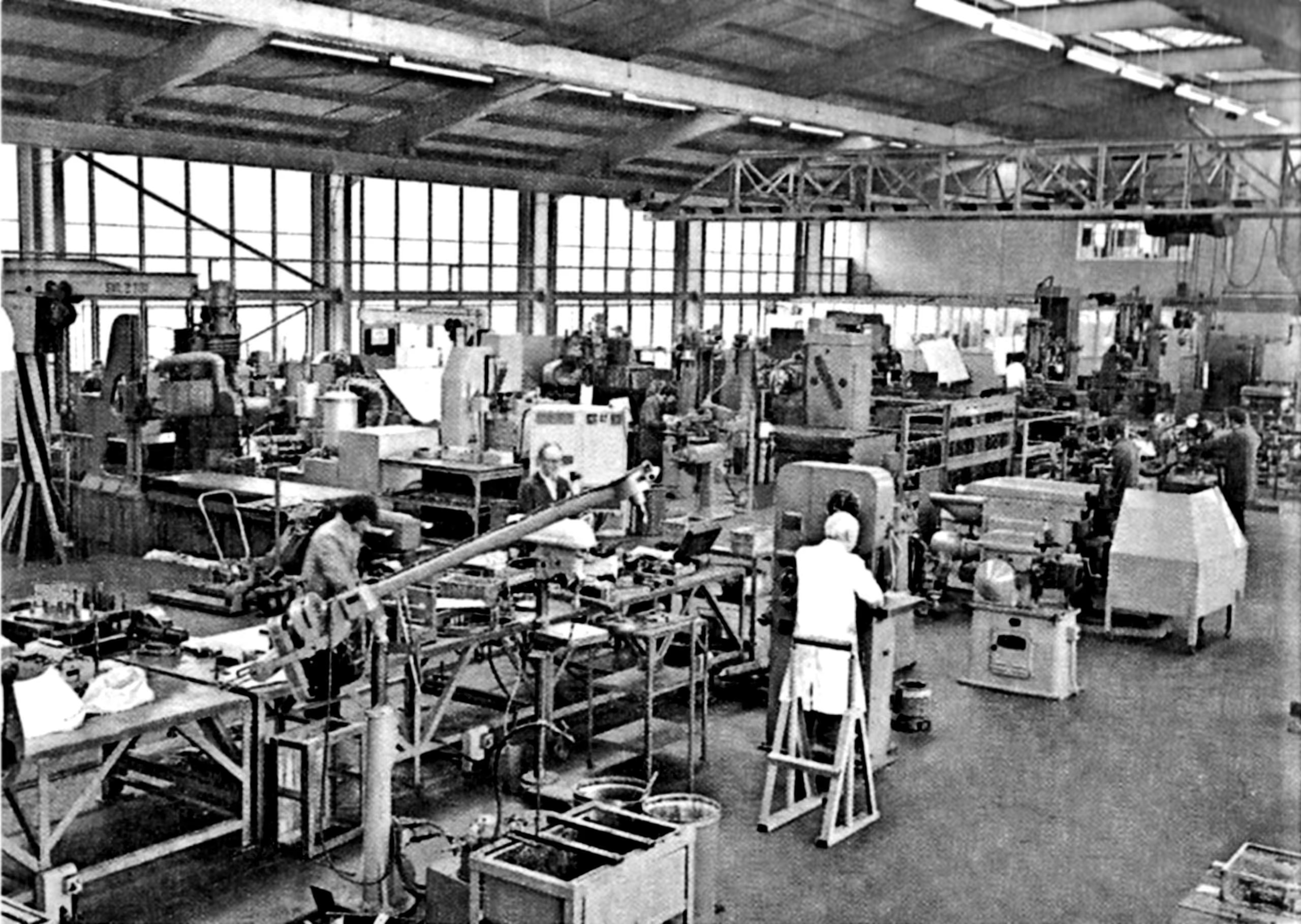
The firm’s early workshops were close to Harrietsham and Lenham, and over the decades the Marley name became synonymous with tiles, gutters and flooring, then later plastic plumbing and drainage systems as the business diversified.
Local histories record how the second generation expanded sales across the country, and how the Lenham site evolved from tile pressing to broader manufacturing.
By the late 20th century, Marley’s plumbing and drainage activities had become a distinct arm of the business. This division — producing uPVC soil, waste and underground drainage products — was acquired into larger groups and eventually became part of Aliaxis, under whose ownership Marley Plumbing & Drainage continued to supply a wide range of drainage systems.
Supporting Marley's presence in Kent
In recent years the industrial landscape in and around Lenham has shifted: former Marley factories have closed or been repurposed and developers have proposed new uses for the sites, reflecting broader changes in manufacturing and logistics. Yet the Marley name remains woven into Kent’s industrial story — from a cowshed on Marley Farm to a national brand in tiles and drainage. Marley itself remains in Kent at Panattoni Park Aylesford.